Glass, Steel, Plastic or Silicone: A Practical Comparison for Kitchen Storage
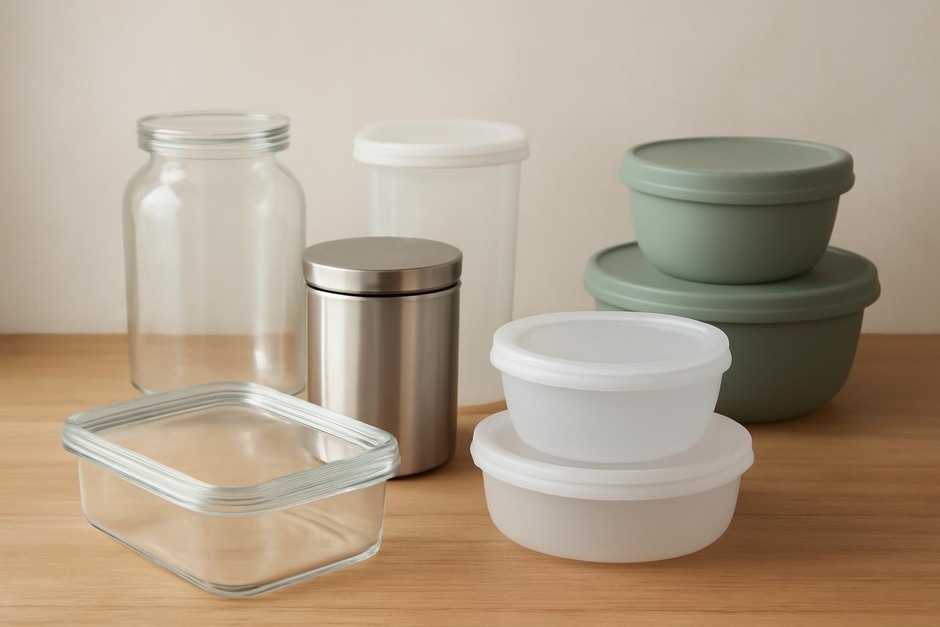
Many of us collect containers over years: a mix of glass jars, a couple of stainless steel boxes, silicone collapsible bowls and a handful of plastic tubs. Each material brings familiar benefits and predictable downsides. Not every kitchen need is the same, so understanding how these materials behave helps you choose containers that fit your habits instead of trying to force one solution to do everything.
1. Material basics and everyday performance
Start with the basic qualities: weight, transparency, and temperature tolerance. Glass is heavy but transparent and resistant to staining. Stainless steel is lightweight relative to its strength, opaque, and excellent for keeping things cool. Plastic is light, inexpensive and varied in composition; some types are microwave-safe while others are not. Silicone is flexible, collapsible and can be temperature-tolerant depending on grade.
- Glass: Good for visibility and odor resistance; fragile under impact.
- Stainless steel: Durable and long-lived; cannot be microwaved and hides contents.
- Plastic: Versatile and light; varies in durability and chemical resistance.
- Silicone: Flexible and space-saving; usually oven- and freezer-friendly but can retain oils.
2. Cleaning, maintenance and longevity
Cleaning habits and available time affect which material works best. Glass and stainless steel tolerate repeated high-temperature washing and generally maintain appearance over years. Some plastics will warp under high heat or leach odors and stains from strongly pigmented foods. Premium silicone stands up well to dishwashing, though repeated exposure to oils can dull its sheen.
- Dishwasher safety: Glass and most stainless steel are dishwasher-safe; check manufacturer guidance for plastic and silicone.
- Stain and odor resistance: Glass performs best, followed by stainless steel; plastic and silicone can trap odors unless thoroughly cleaned.
- Seals and lids: Silicone or rubber gaskets improve seals across all materials but may need periodic replacement.
3. Food safety and functional trade-offs
Functional needs—reheating, freezing, storing liquids or taking lunch—determine acceptable trade-offs. Glass is ideal for reheating in the oven and for acidic foods because it does not react. Stainless steel excels for dry goods and transporting soups in insulated containers, but is not microwave-safe. Lightweight plastic is often a practical choice for packed lunches, but check for BPA-free labeling and temperature limits. High-grade silicone is safe at a wide range of temperatures and useful for collapsible bowls, lids and baking molds.
- Microwave use: Glass and certain plastics are microwave-safe; stainless steel is not.
- Freezer storage: All four materials can be used in the freezer; watch for cracking in low-quality plastic.
- Acidic or oily foods: Choose glass or stainless steel for acids, and consider glass if oils and pigments are frequent.
4. Environmental and budget considerations
Environmental impact depends on production, lifespan and end-of-life disposal. Stainless steel and glass have higher initial embodied energy but often longer practical life and recyclability. Plastics have lower upfront carbon costs but shorter lifespans and greater potential for microplastic concerns over many reuse cycles, depending on type. Silicone occupies an intermediate space: it lasts a long time and performs well, but recycling options are limited in many areas. Budget matters too—plastic is typically the least expensive up front; investing in durable glass or steel may be cost-effective over time if they replace many disposable items.
- Upfront cost: Plastic generally cheapest; glass and stainless steel usually pricier; silicone varies.
- Longevity: Stainless steel and tempered glass can outlive plastic by years if cared for.
- End-of-life: Glass and steel are widely recyclable; plastic and silicone recycling depends on local facilities.
Measured conclusion
No single material is ideal for every kitchen task. If you reheat and store leftovers frequently, glass offers visibility and heat resistance. For portable lunches and impact resistance, choose well-made plastic or a stainless-steel lunchbox. If space is tight and flexibility matters, silicone collapsible containers are a practical compromise. When deciding, match material strengths to your routine: consider how you clean, what foods you store, and how long you expect the container to serve you. Thoughtful combination—keeping a selection of glass, steel and a few silicone or plastic pieces—often balances convenience, performance and environmental trade-offs in everyday life.